Beyond The Plate: The Most Breathtaking Fine Dining Restaurants In Southeast Asia You Need To Experience
Southeast Asia has long been celebrated for its incredible food culture, but a growing number of restaurants across the region are proving that an extraordinary meal is about far more than just what is on the plate. The setting matters just as much. Imagine savoring a perfectly crafted five-course dinner while watching the sun melt into the ocean horizon, or enjoying an elegant tasting menu from a cliffside table with a jungle-covered mountain spread out before you. These are not fantasy scenarios — they are real dining experiences available across Southeast Asia right now. From overwater restaurants in the Maldives-like coastal corners of Thailand to glass-walled dining rooms perched above river valleys in Vietnam, the region has quietly become one of the world’s most exciting destinations for scenic fine dining. This guide explores some of the most stunning restaurant settings in Southeast Asia, where the view and the food compete equally for attention — and both win.
Dining Above the Clouds: Mountain View Fine Dining in the Region
There is something genuinely humbling about sitting down to a beautifully plated meal with an entire mountain range stretched out in front of you. Southeast Asia, with its dramatic highlands and volcanic landscapes, offers some of the most jaw-dropping mountain dining settings on the planet. Northern Thailand, in particular, has become a destination for this kind of experience. Restaurants nestled in the hills around Chiang Rai and Chiang Mai offer elevated dining — quite literally — with terrace seating that looks out over misty valleys, rice terraces, and forest-covered peaks. The cool air, the soft ambient lighting, and the carefully composed menus featuring locally sourced ingredients create a total sensory experience that is hard to forget.
In Bali, Indonesia, the volcanic highland region around Kintamani is home to several upscale restaurants that position their dining terraces to face the iconic Mount Batur directly. Watching the volcano sitting quietly against a backdrop of a dramatic crater lake while working through a multi-course Indonesian tasting menu is the kind of moment that genuinely stops time. Some of these restaurants time their service to coincide with sunrise or sunset specifically because the light during those windows transforms the view into something almost otherworldly.
Vietnam adds its own chapter to mountain fine dining through the hill station town of Sapa, where a handful of refined dining establishments use floor-to-ceiling glass walls to frame the layered rice terraces of the Muong Hoa Valley. Fog rolls in and out between courses, and the contrast between the elegant table settings inside and the raw, ancient landscape outside creates an atmosphere that no interior designer could replicate. These mountain dining experiences across Southeast Asia share one common quality — they remind guests that nature itself is the most powerful ambiance of all.
Where the Ocean Meets Elegance: Beachfront and Overwater Dining
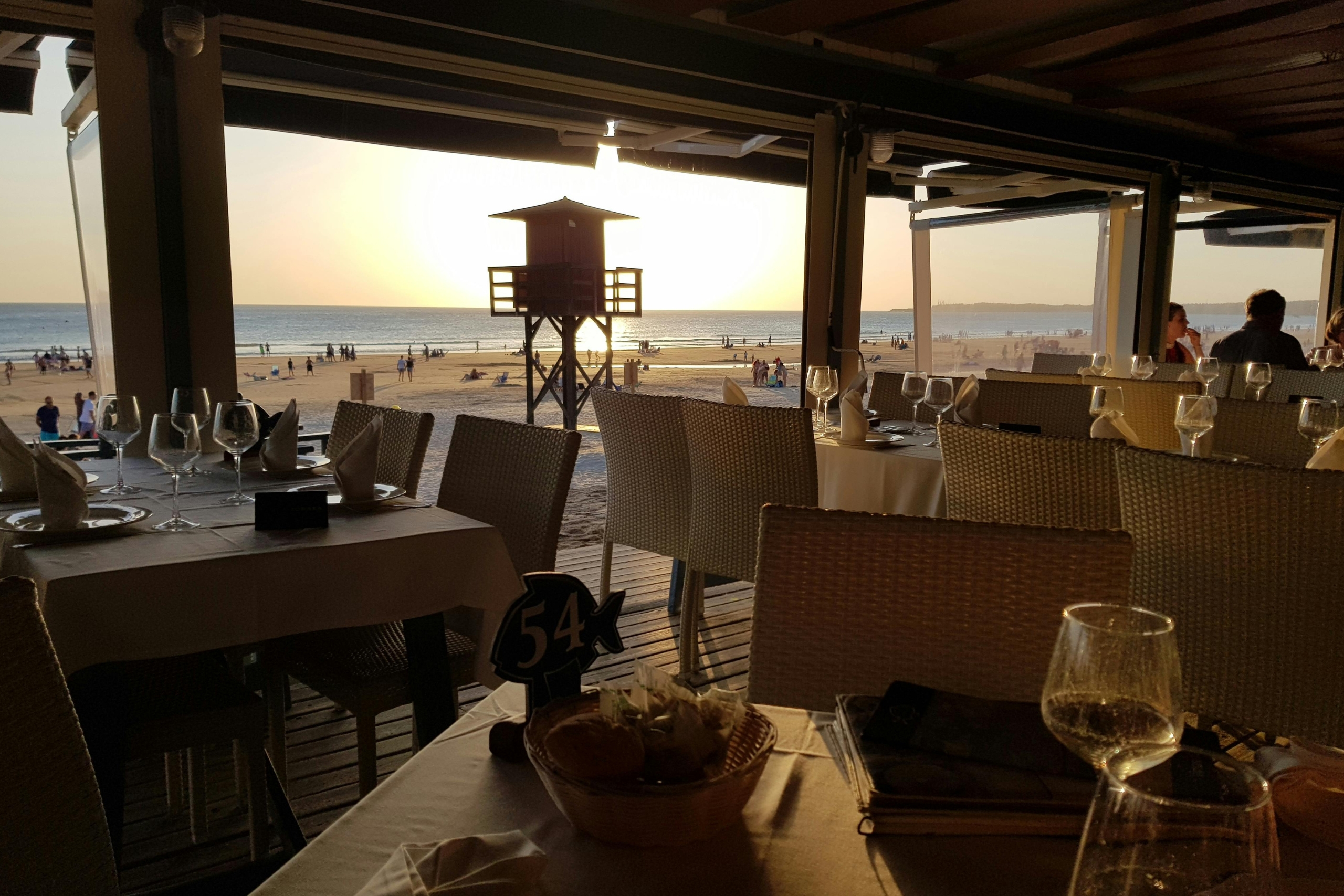
Southeast Asia’s coastline is one of the most beautiful stretches of shoreline anywhere in the world, and its fine dining scene has fully embraced this natural gift. Beachfront fine dining in the region goes well beyond tables in the sand — many of the most celebrated restaurants here are architectural statements in their own right, designed to place guests as close to the water as physically possible without actually getting wet. In the Maldives-adjacent style made famous across the Indian Ocean, parts of Thailand and the Philippines have developed overwater dining structures where tables sit directly above the sea, with glass panels beneath guests’ feet revealing the coral and marine life below.
Koh Samui and Phuket in Thailand are home to several iconic beachfront restaurants that have mastered the art of combining world-class cuisine with uninterrupted ocean views. Some operate on private stretches of beach accessible only to dinner guests, creating an intimate, exclusive atmosphere where the sound of gentle waves replaces background music. The Philippines, particularly in areas like El Nido in Palawan, offers equally stunning settings where limestone cliffs rise dramatically from turquoise water just beyond the dining terrace — a view so dramatic that many guests admit they struggle to focus on the menu.
Singapore, while not defined by beaches, makes its own statement with waterfront fine dining along the Marina Bay and Sentosa Island areas. Restaurants here use their positions along the water to frame the iconic skyline in one direction and the open sea in the other. The combination of architectural ambiance, attentive service, and food that competes with the best in the world has earned Singapore a reputation as one of Asia’s top fine dining cities — and the water views only add to the experience. Whether it is the open ocean, a hidden cove, or a glittering harbor, beachfront and waterside dining in Southeast Asia delivers on every level.
River Dining and Floating Restaurants Done Right
Rivers have played a central role in Southeast Asian life for thousands of years — as trade routes, as sources of food, and as the beating hearts of entire civilizations. It is only fitting, then, that some of the most memorable dining experiences in the region are built directly on or beside these iconic waterways. River dining in Southeast Asia ranges from traditional floating wooden structures in Bangkok to sleek, contemporary glasshouse restaurants positioned along the banks of the Mekong River in Luang Prabang, Laos — each offering a completely different mood but an equally powerful connection to the water.
Bangkok’s Chao Phraya River is surrounded by several high-end dining establishments, including those set on converted rice barges that cruise slowly along the river while guests enjoy a fixed multi-course menu. The experience of watching centuries-old temples, glittering royal palaces, and the dazzling lights of a modern city drift past the window between courses is genuinely unlike anything else in the world. It turns the meal into a journey — both physically and gastronomically. The combination of movement, history, and refined cuisine makes river cruise dining in Bangkok one of the most uniquely Southeast Asian experiences available to any traveler.
In Cambodia, Phnom Penh’s riverside dining strip has grown into a legitimate fine dining destination, with restaurants overlooking the confluence of the Mekong and Tonle Sap rivers offering front-row seats to one of nature’s most dramatic seasonal events — the annual reversal of the Tonle Sap’s flow. Hanoi and Ho Chi Minh City in Vietnam also have their own riverside dining gems, often housed in beautifully restored colonial-era buildings where the architecture tells its own story while the kitchen tells another. River dining across Southeast Asia offers a pace and perspective that other scenic settings simply cannot — the constant, quiet movement of water alongside the table makes every meal feel unhurried and deeply contemplative.
Underwater and Subterranean Dining: The Most Extraordinary Tables on Earth
For those who want a dining experience that feels less like a restaurant and more like a scene from a film, Southeast Asia delivers on a level that few other regions can match. The concept of underwater dining — where guests sit in a fully submerged structure surrounded by glass walls and an active marine ecosystem — has found some of its most stunning expressions in this part of the world. While the Maldives is most commonly associated with underwater restaurants, Southeast Asia has its own remarkable entries in this extraordinary category.
Thailand has been at the forefront of underwater dining innovation. Ithaa-inspired concepts have taken hold in luxury resort destinations, where specially constructed dining pods are submerged just beneath the ocean’s surface, offering 270-degree views of coral reefs, tropical fish, rays, and the occasional shark drifting past mid-meal. The engineering required to create these spaces is remarkable, but what guests remember most is the silence — the total, complete quiet of being beneath the surface of the sea, watching marine life continue entirely undisturbed while a sommelier pours the next glass of wine above.
Beyond underwater settings, the region also offers cave and subterranean dining experiences that belong in the same conversation. The Philippines is home to several cave dining concepts, most notably in Palawan, where guests are seated inside naturally formed limestone caves illuminated by carefully placed ambient lighting. The cave walls, the dripping stalactites, and the distant sound of water create an atmosphere that is ancient, theatrical, and completely unforgettable. In Vietnam, areas near the Ha Long Bay region have begun developing similar cave-adjacent dining experiences that lean into the dramatic natural geology of the landscape. Fine dining in Southeast Asia, in this context, takes the word “ambiance” to an entirely different dimension — one that exists entirely outside the reach of any interior designer or lighting specialist.
Dining Beside the Tracks: The Romance of Train-Adjacent Restaurants
There is a particular kind of romance associated with trains that never quite goes away — the sound of steel on steel, the deliberate rhythm of movement, and the sense that the journey itself is the destination. Southeast Asia, with its rich railway heritage and stunning rail routes passing through some of the most scenic landscapes on the continent, has given rise to a unique dining category that leans fully into this romance. Train-adjacent and railway-themed fine dining experiences in the region offer guests the sights, sounds, and atmosphere of train travel without ever leaving their seat at the table.
Thailand’s Death Railway route through the Kanchanaburi province passes over the famous Bridge on the River Kwai, and the surrounding area has developed several dining venues that capitalize on this iconic setting. Restaurants positioned to overlook the railway bridge offer an atmospheric backdrop that blends historical weight with natural beauty — the wide river below, the jungle on both banks, and the occasional train crossing the bridge while guests dine create a setting that is deeply cinematic. Some venues in the area have even converted vintage railway carriages into private dining rooms, complete with period-accurate decor and windows framing the river and forested hillsides beyond.
In Myanmar, the famous Gokteik Viaduct — one of the highest railway bridges in the world — sits within a mountainous landscape so dramatic that the surrounding region has inspired several upscale lodge and dining experiences designed around views of the structure. In Malaysia, the Jungle Railway route through the interior of the peninsula passes through untouched rainforest terrain, and eco-luxury lodges along the route have developed refined dining experiences that frame the tracks and canopy as part of the ambiance. These train-adjacent dining experiences connect guests to a Southeast Asia that moves at a slower pace — one where the journey is savored as carefully as the food on the table.
Conclusion
Southeast Asia has always been a region that rewards those willing to look beyond the obvious, and its fine dining scene is no exception. The restaurants explored in this guide are proof that the most memorable meals are rarely just about food — they are about where you are, what surrounds you, and how the setting makes you feel in that specific moment. Whether it is the quiet drama of a mountain mist rolling in over a candlelit terrace, the hypnotic movement of river life just beyond a glass wall, the silent wonder of a coral reef viewed from beneath the surface, or the nostalgic pull of a vintage railway carriage turned dining room, Southeast Asia offers a range of scenic fine dining experiences that simply cannot be found at this level of concentration anywhere else on earth. For anyone planning a trip through the region, building at least one of these extraordinary dining experiences into the itinerary is not an indulgence — it is an absolute must.