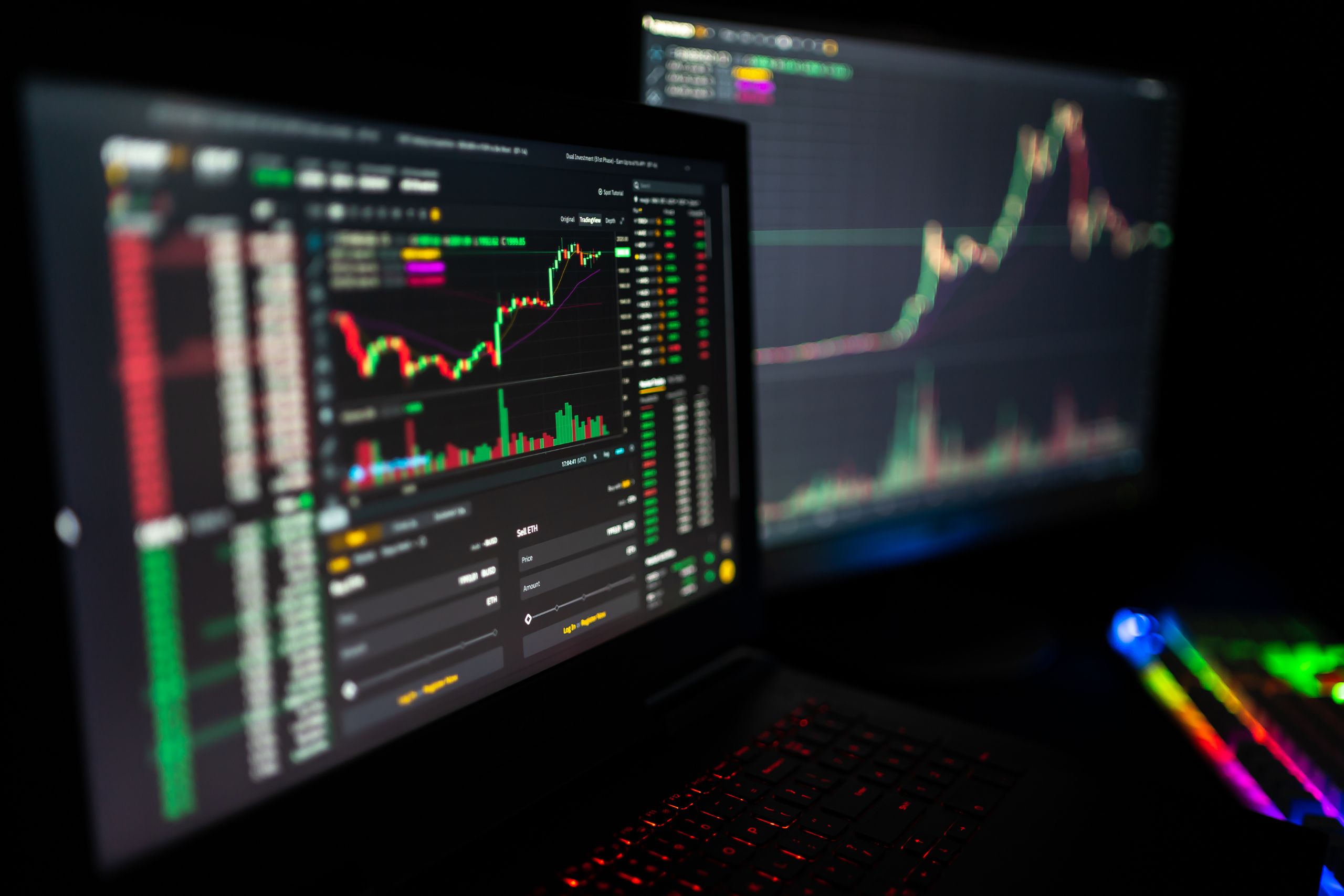
What Exactly Is Trading Platform?
As more people explore opportunities in investing and financial markets, the term “trading platform” has become increasingly common. Whether someone is interested in buying stocks, trading currencies, or investing in other assets, a trading platform is the primary tool that makes these activities possible. Despite its importance, many beginners are unsure about what a trading platform actually is and how it works.
A trading platform is essentially a digital system that allows users to access financial markets, execute trades, and monitor their investments. It serves as the connection between the trader and the market, providing the tools and information needed to make informed decisions. With the growth of online investing, these platforms have become more accessible and user-friendly, opening the door for individuals at all experience levels. This article explains what a trading platform is, its key features, and why it plays such a vital role in modern investing.
Defining a Trading Platform and Its Core Purpose
A trading platform is a software application that enables users to buy and sell financial assets such as stocks, commodities, currencies, and more. It acts as an interface that connects individuals to financial markets, allowing them to participate in trading activities from their devices.
The primary purpose of a trading platform is to provide a streamlined and efficient way to execute trades. Instead of relying on traditional methods, users can place orders instantly and monitor their positions in real time. This level of accessibility has transformed the way people interact with financial markets.
Trading platforms also provide essential data and tools that support decision-making. These include price charts, market news, and performance tracking features. By combining execution and analysis, platforms offer a complete environment for managing investments.
Understanding this core purpose helps users see how trading platforms simplify complex financial processes and make trading more accessible.
How Trading Platforms Work in Practice
Trading platforms operate by connecting users to financial markets through brokerage services. When a user places a trade, the platform sends the order to the market, where it is executed based on current prices and availability. This process happens quickly, often within seconds.
Users can choose different types of orders depending on their strategy. For example, they may place market orders for immediate execution or limit orders to buy or sell at a specific price. The platform manages these orders and updates the user’s account accordingly.
Most platforms also provide real-time updates, allowing users to track price movements and adjust their strategies as needed. This continuous flow of information is essential for making timely decisions.
By understanding how trading platforms function, users can gain confidence in executing trades and managing their investments effectively.
Different Types of Trading Platforms
There are several types of trading platforms, each designed to suit different user needs. Web-based platforms are among the most common, offering easy access through internet browsers without requiring installation. These are ideal for beginners due to their simplicity.
Desktop platforms provide more advanced features and customization options. They are often used by experienced traders who require detailed analysis tools and greater control over their trading environment.
Mobile trading apps have become increasingly popular, allowing users to trade from anywhere. These apps provide convenience and real-time access to market data, making them suitable for active traders.
Some platforms specialize in specific markets, such as forex or stock trading, while others offer a wide range of assets. Choosing the right type depends on individual goals and preferences.
In the context of Trading, understanding these platform types helps users select the option that best fits their needs and experience level.
Key Features That Define a Good Trading Platform
A reliable trading platform includes several important features that enhance the user experience. Ease of use is one of the most critical aspects, especially for beginners. A clear and intuitive interface makes it easier to navigate and execute trades.
Real-time market data is another essential feature. Access to current prices and trends allows users to make informed decisions and respond quickly to market changes.
Analytical tools, such as charts and indicators, are also valuable. These tools help users analyze patterns and develop strategies based on market behavior.
Security is a key consideration as well. A trustworthy platform uses advanced security measures to protect user data and funds. This includes encryption and secure login processes.
Having access to these features ensures that users can trade efficiently and with confidence.
Benefits of Using a Trading Platform
Trading platforms offer numerous benefits that make them essential for modern investors. One of the main advantages is accessibility. Users can access markets from anywhere, making it easier to manage investments and respond to opportunities.
Another benefit is speed. Trades can be executed quickly, reducing delays and improving efficiency. This is particularly important in fast-moving markets where timing is crucial.
Educational resources are often included, helping beginners learn the basics of trading. Tutorials, guides, and demo accounts provide valuable support for those new to investing.
Cost efficiency is another advantage. Many platforms offer competitive fees, making trading more affordable compared to traditional methods.
These benefits contribute to a more convenient and effective trading experience for users at all levels.
Challenges and Risks to Be Aware Of
While trading platforms offer many advantages, they also come with certain challenges. Market volatility is one of the main risks, as prices can change rapidly and lead to potential losses.
Another challenge is the complexity of financial markets. Beginners may find it difficult to understand how different assets behave and how to develop effective strategies.
Overtrading is also a common issue. The ease of access provided by trading platforms can lead users to make frequent trades without a clear plan, increasing the risk of losses.
Technical issues, such as system downtime or slow performance, can also affect trading activities. Choosing a reliable platform helps minimize these risks.
By understanding these challenges, users can take steps to manage risks and improve their trading outcomes.
Conclusion
A trading platform is a powerful tool that enables individuals to participate in financial markets with ease and efficiency. By providing access to real-time data, analytical tools, and secure trading environments, these platforms simplify the process of buying and selling assets. Understanding what a trading platform is, how it works, and the features it offers helps users make informed decisions and build effective strategies. In the world of Trading, choosing the right platform is a crucial step toward achieving financial goals and managing investments successfully. With the right knowledge and approach, users can take full advantage of trading platforms and navigate the markets with greater confidence.